
 Isaiah
Rhinos, some of the most majestic and iconic creatures, roam the diverse landscapes of East Africa. With their impressive size, distinctive horns, and prehistoric appearance, these gentle giants capture the imagination of wildlife enthusiasts and conservationists alike. Here’s a closer look at the fascinating life of rhinos in East Africa.
𝗘𝘃𝗼𝗹𝘂𝘁𝗶𝗼𝗻 𝗮𝗻𝗱 𝗔𝗱𝗮𝗽𝘁𝗮𝘁𝗶𝗼𝗻
Rhinos belong to the family Rhinocerotidae and have been around for over 50 million years. Their thick skin, which can be as much as 5 cm thick, acts as a protective armor. Despite their formidable appearance, rhinos are generally peaceful creatures that prefer grazing on grasses and shrubs.
𝗛𝗮𝗯𝗶𝘁𝗮𝘁 𝗮𝗻𝗱 𝗗𝗶𝘀𝘁𝗿𝗶𝗯𝘂𝘁𝗶𝗼𝗻
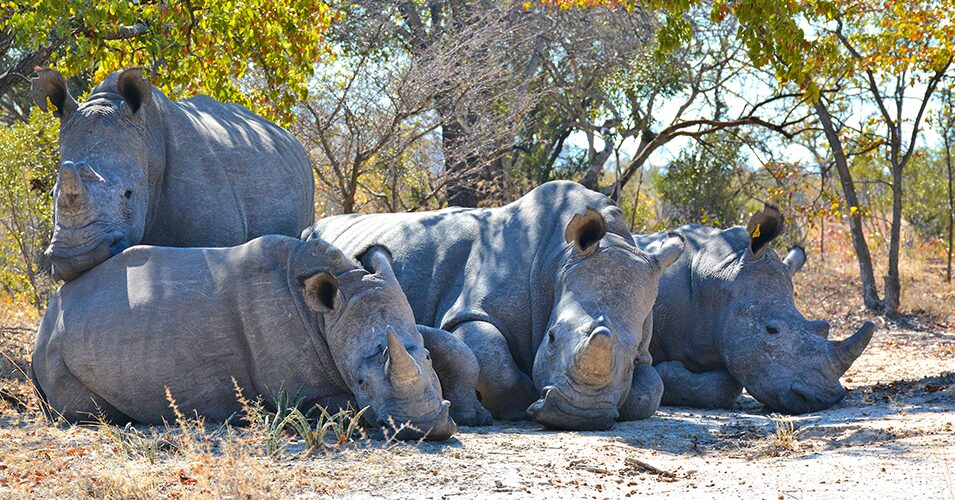
In East Africa, rhinos are primarily found in savannas, grasslands, and tropical bushlands. The Black Rhino (Diceros bicornis) and the White Rhino (Ceratotherium simum) are the two species commonly seen in this region. Kenya and Tanzania are home to some of the largest populations of these magnificent animals, with protected areas such as the Maasai Mara and Serengeti offering safe havens for their survival.
𝗣𝗵𝘆𝘀𝗶𝗰𝗮𝗹 𝗖𝗵𝗮𝗿𝗮𝗰𝘁𝗲𝗿𝗶𝘀𝘁𝗶𝗰𝘀
White rhinos are the largest of the rhino species, with males weighing up to 2,300 kilograms (5,070 pounds) and measuring over 4 meters (13 feet) in length. Black rhinos, though smaller, are still formidable, weighing up to 1,400 kilograms (3,100 pounds). Rhinos are characterized by their two horns, which are made of keratin, the same material as human hair and nails. The larger front horn can reach lengths of up to 1.5 meters (5 feet).
𝗛𝘂𝗻𝘁𝗶𝗻𝗴 𝗮𝗻𝗱 𝗙𝗲𝗲𝗱𝗶𝗻𝗴 𝗕𝗲𝗵𝗮𝘃𝗶𝗼𝗿
Rhinos are herbivores and have a diet primarily consisting of grasses. White rhinos are known as grazers, feeding on grasses found in open savannas, while black rhinos are browsers, feeding on leaves, shoots, and branches of bushes and trees. Their feeding behavior plays a crucial role in maintaining the health and balance of their ecosystems.
𝗦𝗼𝗰𝗶𝗮𝗹 𝗦𝘁𝗿𝘂𝗰𝘁𝘂𝗿𝗲 𝗮𝗻𝗱 𝗖𝗼𝗺𝗺𝘂𝗻𝗶𝗰𝗮𝘁𝗶𝗼𝗻
Rhinos are generally solitary animals, with the exception of mothers and their young. They communicate through a range of vocalizations, including grunts, snorts, and bellows. Scent marking is also a key part of their communication, with dung heaps and urine sprays used to mark territories and convey information to other rhinos.
𝗥𝗲𝗽𝗿𝗼𝗱𝘂𝗰𝘁𝗶𝗼𝗻 𝗮𝗻𝗱 𝗡𝗲𝘀𝘁𝗶𝗻𝗴
Rhino calves are born after a gestation period of about 16 months. A single calf, weighing up to 65 kilograms (143 pounds), is usually born and stays with its mother for up to three years. The strong bond between mother and calf is essential for the young rhino’s survival and development.
𝗖𝗼𝗻𝘀𝗲𝗿𝘃𝗮𝘁𝗶𝗼𝗻 𝗦𝘁𝗮𝘁𝘂𝘀
Rhinos face significant threats from poaching and habitat loss. Their horns are highly valued in illegal markets, leading to rampant poaching. Conservation efforts, such as anti-poaching patrols, protected reserves, and community education programs, are vital to ensuring the survival of these incredible creatures.
𝗖𝘂𝗹𝘁𝘂𝗿𝗮𝗹 𝗦𝗶𝗴𝗻𝗶𝗳𝗶𝗰𝗮𝗻𝗰𝗲
Rhinos hold a special place in the cultures of East African communities. They are often seen as symbols of strength and resilience and feature prominently in local folklore and traditions. Efforts to protect rhinos are supported by many who recognize their importance to both the natural world and cultural heritage.
𝗖𝗼𝗻𝗰𝗹𝘂𝘀𝗶𝗼𝗻
Rhinos are an essential part of East Africa’s rich biodiversity. Their unique characteristics and critical role in the ecosystem make them creatures worthy of admiration and protection. By understanding and supporting conservation efforts, we can help ensure that rhinos continue to thrive in the wild for generations to come.
Witness East Africa’s silent hunters. Spot elusive leopards in their natural habitat. Explore their stealthy grace on your next safari.
Email [email protected] to craft your unforgettable adventure.